生理学_血液
血液
- blood
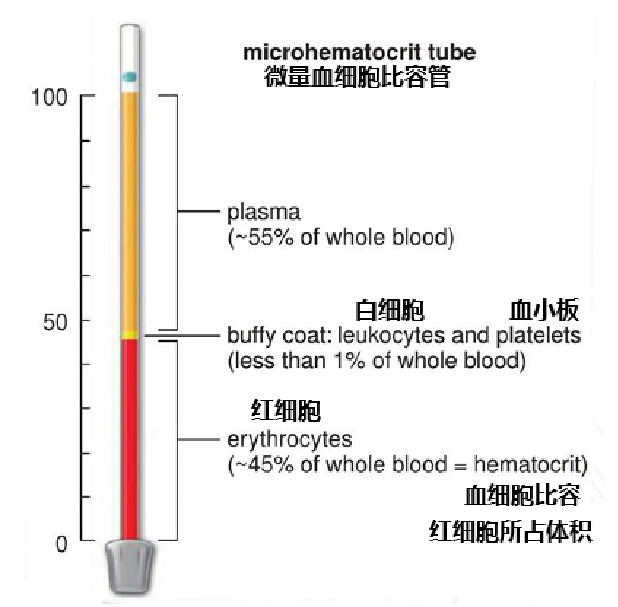
- plasma
- blood cells
- leukocytes 白细胞 WBC
- granulocytes 粒细胞
- neutrophils 中性粒细胞
- eosinophils 嗜酸性粒细胞
- basophils 嗜碱性粒细胞
- agranulocytes 不是粒细胞
- lymphocytes 淋巴细胞
- monocytes 单核细胞
- macrophages 巨噬细胞
- granulocytes 粒细胞
- erythrocytes 红细胞 RBC 99%
- platelets 血小板
- leukocytes 白细胞 WBC
- 一些性质
- 组成
- blood volume
- 80~85ml/kg
- female 4
5L, male 56L - about 7~8% of body weight
- Density (compared to water)
- Whole blood: 1.050~1.060
- Plasma: 1.025~1.030
- RBC: 1.090~1.092
- Viscosity 粘度
- the resistance of a fluid to flow, resulting from the cohesion of its particles.
- Whole blood 4
5,plasma 1.62.4
- 组成
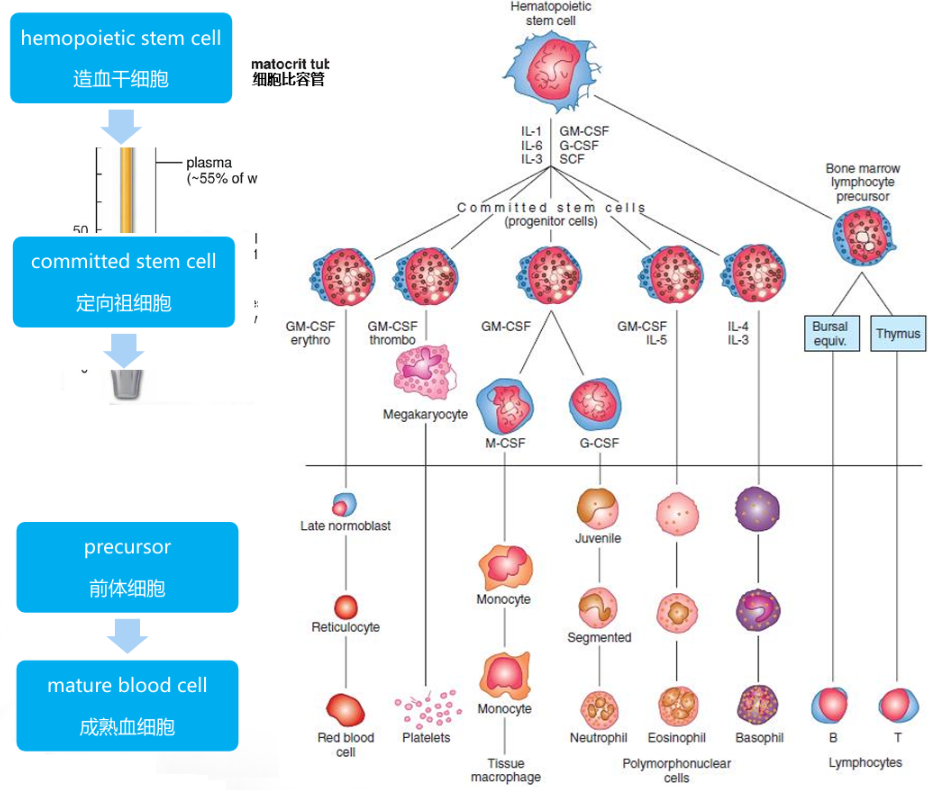
- Hemopoiesis 造血干细胞
- 图
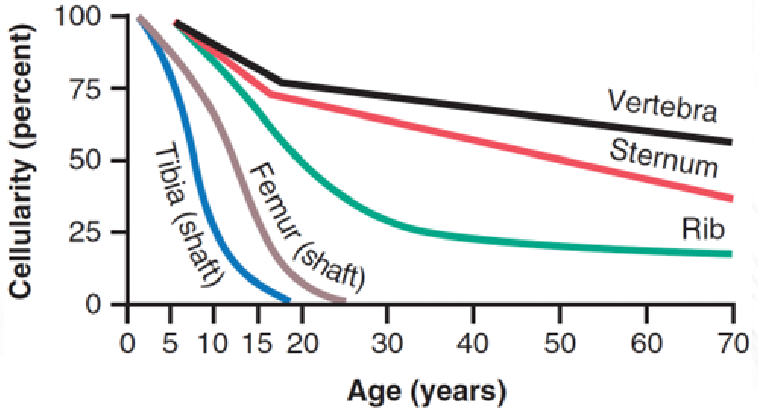
- 骨头
- The (red) bone marrow of long bones produces RBCs until a person is 5 years old.
- The marrow of long bones becomes fatty tissue (yellow) and produces no more RBCs after age 20
- 有些骨头产生血细胞的活性会消失
- 图
- plasma
- composition
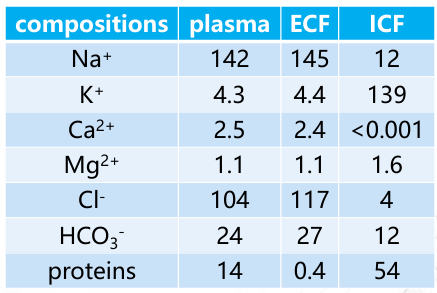
- 血浆的成分与interstitial fluid (ECF)相似,但是包含更多proteins
- compositions of different fluid (mmol/L)
- Osmolarity 渗透压
- determined by the amount of solute molecule, but not related to the type or the diameter
- 2种渗透压
- crystal osmotic pressure 晶体渗透压
- colloid osmotic pressure 胶体渗透压
- The osmolarity of plasma is 280~290mmol/L
- pH
- plasma pH=7.35~7.45
- HCO3-/H2CO3, HPO42-/H2PO4-, proteins
- composition
- RBC
- 外观
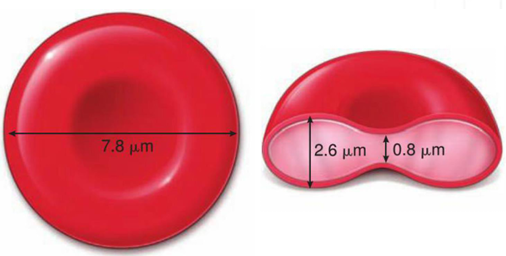
- biconcave disc 双凹圆盘形, consumes energy to maintain
- anucleate 无核, devoid of typical organelles 缺乏典型的细胞器
- 图
- 性质
- 可塑变形性 plastic deformation
- 面积:体积比较大,容易变形,可以穿过非常小的血管
- viscosity inside RBC ↓,ability to deform ↑
- membrane elasticity ↑,ability to deform ↑
- 渗透脆性 osmotic fragility
- 低渗溶液中会吸水破裂失去血红蛋白
- 悬浮稳定性 suspension stability
- 红细胞沉降率ESR male 0
15mm/h, female 020mm/h - 有一些病导致rouleaux叠连,导致沉降加快
- 红细胞沉降率ESR male 0
- 可塑变形性 plastic deformation
- hemoglobin 血红蛋白
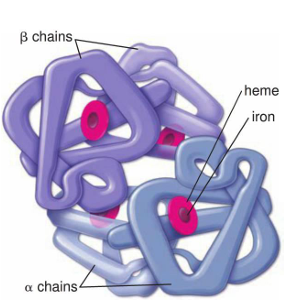
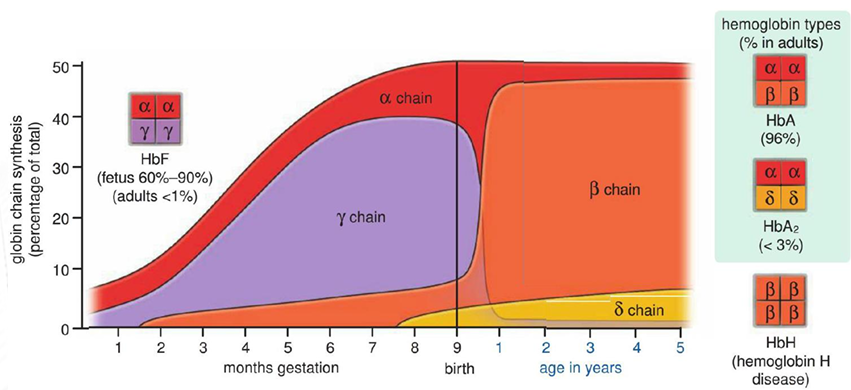
- consists of four polypeptide chains of globin α, β, δ and γ.
- Different combinations of the polypeptide chains lead to different hemoglobin subtypes
- Each chain is complexed to an Fe2+ containing heme血红素 group, which shows red when binds to O2
- 图
- 婴儿出生前与出生后血红蛋白组成是不同的
- Erythropoiesis 红细胞生成
- about 2×10^11/day
- needs proteins, iron, folic acid and vitamin B12
- mainly regulated by erythropoietin促红细胞生成素 (kidney) and sex hormones (promoted by androgen雄激素, inhibited by estrogen雌激素)
- 死亡
- The life span of RBCs is about 120 days
- 0.8% RBCs are destroyed everyday
- 90% are destroyed by macrophages巨噬细胞 in the spleen脾 and the bone marrow骨髓
- 10% rupture破裂 during passage through the circulation
- After destruction, iron and bilirubin (metabolite代谢物 of heme) were released from the digested hemoglobin
- Iron can be reused
- bilirubin胆红素 is removed from the body by the bile胆汁
- 外观
- leukocyte
- 特点
- nucleate, sphere, and contains organelles
- 分类
- granulocytes粒细胞
- neutrophils中性粒细胞
- 60%-70%
- phagocytosis吞噬作用
- release antimicrobal抗菌 chemicals
- eosinophils嗜酸性粒细胞
- 2%-4%
- 会处理
- allergic reactions过敏反应
- parasitic infections寄生虫感染
- chronic inflammation慢性炎症
- basophils嗜碱性粒细胞
- <0.5%
- allergic reactions过敏反应
- neutrophils中性粒细胞
- agranulocytes不是粒细胞
- lymphocytes淋巴细胞
- 25%-33%
- specific immunity特异性免疫
- monocytes单核细胞
- 3%-8%
- 分化为macrophages巨噬细胞
- lymphocytes淋巴细胞
- granulocytes粒细胞
- 特点
- platelet
- 特点
- fragments derived from megakaryocytes巨核细胞
- anucleate无核, contains organelles
- Hemostasis止血
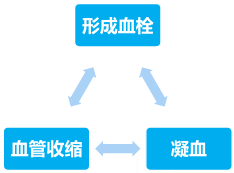
- 三个过程
- 图
- Vasoconstriction血管收缩
- ①nervous reflexes by pain and mechanical stimuli
- ②vascular spasm血管痉挛
- ③factors released by platelets
- Platelet plugging形成血栓
- platelets adhere, activate, secrete, aggregate
- 血小板粘附、活化、分泌、聚集
- Blood coagulation凝血
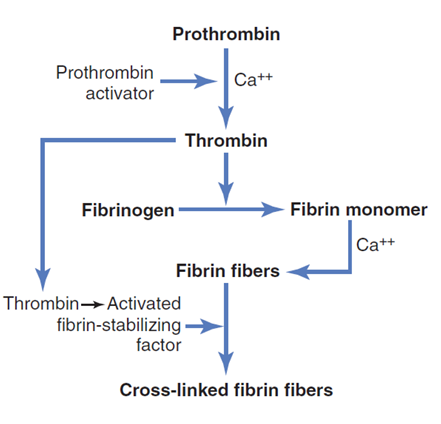
- the loose aggregation of platelets in the temporary plug is bound together and converted into the definitive clot by fibrin纤维蛋白 (soluble→insoluble)
- 图
- 3 essential steps of clotting
- 图
- ①Formation of a complex called prothrombin activator (凝血酶原酶复合物)
- ②The prothrombin activator catalyzes conversion of prothrombin (凝血酶原) into thrombin (凝血酶)
- ③The thrombin acts as an enzyme to convert fibrinogen (纤维蛋白原) into fibrin fibers (纤维蛋白)
- 图
- initiating clotting
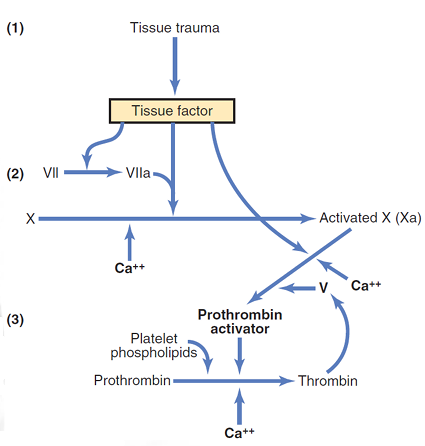
- Extrinsic pathway
- Clotting can occur in 15s via extrinsic pathway
- 图
- ①Release of tissue factor
- ②Activation of factor X
- ③Formation of prothrombin activator (Ⅹa+Ⅴa+Ca2++platelet phospholipids)
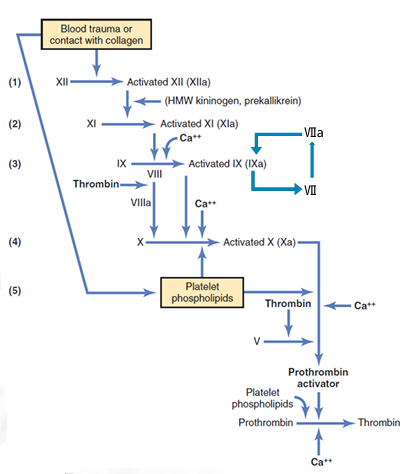
- Intrinsic pathway
- The intrinsic pathway is much slower to proceed, requiring 1~6min
- 图
- ①Activation of factor Ⅻ and release of platelet phospholipids
- ②Activation of factor Ⅺ
- ③Activation of factor Ⅸ
- ④Activation of factor Ⅹ
- ⑤Formation of prothrombin activator
- Extrinsic pathway
- Negative regulation of clotting
- Endothelium 内皮
- Fibrin fibers absorb 85~90% thrombin纤维蛋白吸收凝血酶,负反馈
- Blood flow 血液流速,比如大动脉无法止血
- Clotting factors removed by the monocyte-macrophage system单核巨噬细胞系统
- Anticoagulants 抗凝血剂
- antithrombin (抗凝血酶)
- heparin (肝素)
- protein C
- tissue factor pathway inhibitor (TFPI, 组织因子途径抑制物)
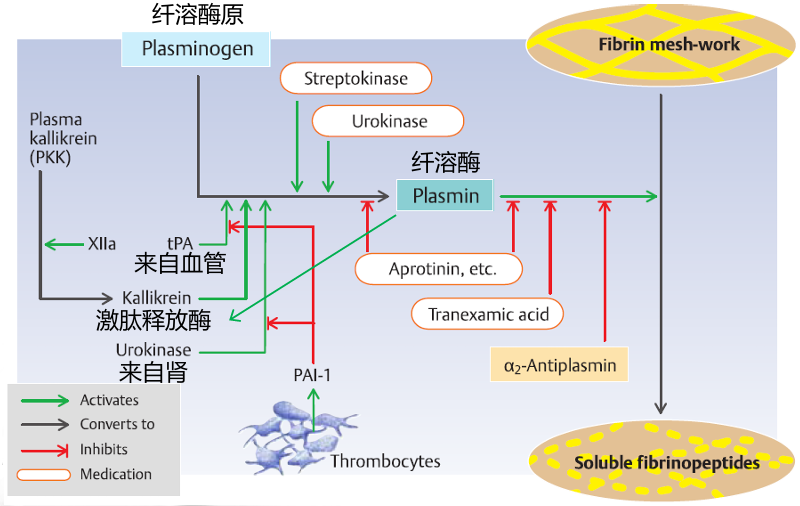
- fibrinolysis纤维蛋白溶解
- Eventually, tissue repair is completed and the clot must be disposed of. The process of dissolving a clot is called fibrinolysis
- 图
- 三个过程
- 特点
- blood types
- 基础
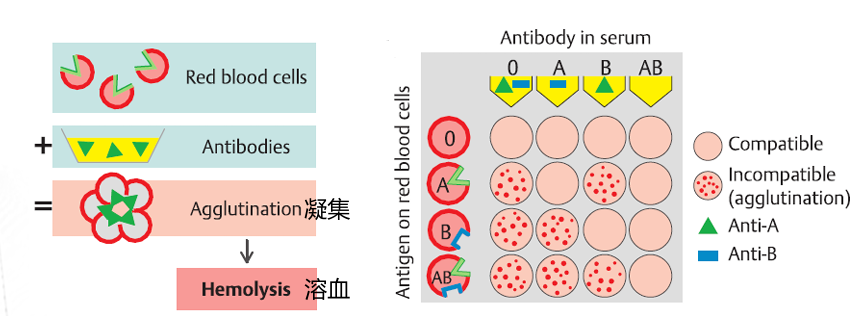
- Blood types are determined by antigens on the surfaces of RBCs.
- Antibodies in the serum of one blood type will react with antigens on the surface of RBCs of another blood type
- serum
- Serum is fluid separated out from blood clots凝块 by the contraction of platelets (containing actin and myosin) 血清是通过血小板收缩从血栓中分离出来的液体(含有肌动蛋白和肌球蛋白)
- 血清=血浆-凝血蛋白clotting proteins
- Serum does not contain clotting factors or fibrin fibers, thus it can not coagulate.
- There are at least 30 antigens having been found on the surface of RBCs. 2 types of antigens are of particular importance ←两种血型系统的由来
- ABO system
- 溶血
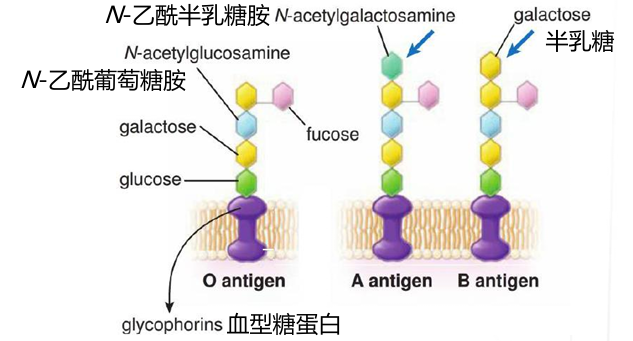
- antigen抗原
- 图
- A型血有 N-acetylgalactosamine transferase
- B型血有 galactose transferase
- O型血俩都没有
- AB型血俩都有
- 图
- antibody抗体
- A型血的血清有anti-B
- B型血的血清有anti-A
- O型血的血清俩都有
- AB型血的血清俩都没有
- 溶血
- Rh system
- Rh represents rhesus恒河猴,第一次在当中发现这种血型系统
- RBC 表面有D antigen是Rh+,没有是Rh-
- 两种血型天生都没有抗体,但是Rh-血型在接触Rh+血型后会产生anti-D,因此Rh-母亲和Rh+父亲只能生一个孩子,第二个孩子会接触到母亲的anti-D产生溶血
- Rh+, 99%
- Rh-, panda blood
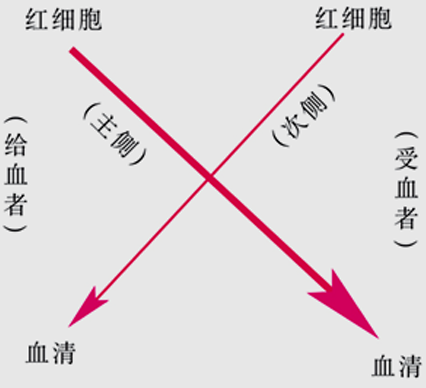
- 输血前要cross-match test
- 图
- 图
- 基础
All articles in this blog are licensed under CC BY-NC-SA 4.0 unless stating additionally.