组织工程_1.Introduction
- 组织工程基础
- Key elements of Tissue engineering
- cells
- sacffolds
- signals
- goal
- Tissue Engineering is the in vitro development (growth) of tissues or organs to replace or support the function of defective or injured body parts, or the directed management of the repair of tissues within the body (in vivo)
组织工程是在体外培养(生长)组织或器官,以替代或支持受损或受伤身体部位的功能,或对体内组织(体内)进行有目的地修复管理 - Tissue engineering aims at repairing damaged tissue that is insufficient or cannot be repaired by the intrinsic repair mechanisms of organs.
组织工程旨在修复受损组织,这些受损组织数量不足或无法通过器官的内在修复机制进行修复 - In most instances, these intrinsic repair mechanisms recapitulate many of the processes involved in the formation of an organ during embryogenesis
在大多数情况下,这些固有的修复机制会重现胚胎发育过程中形成器官所涉及的许多过程
- Tissue Engineering is the in vitro development (growth) of tissues or organs to replace or support the function of defective or injured body parts, or the directed management of the repair of tissues within the body (in vivo)
- basic tenet
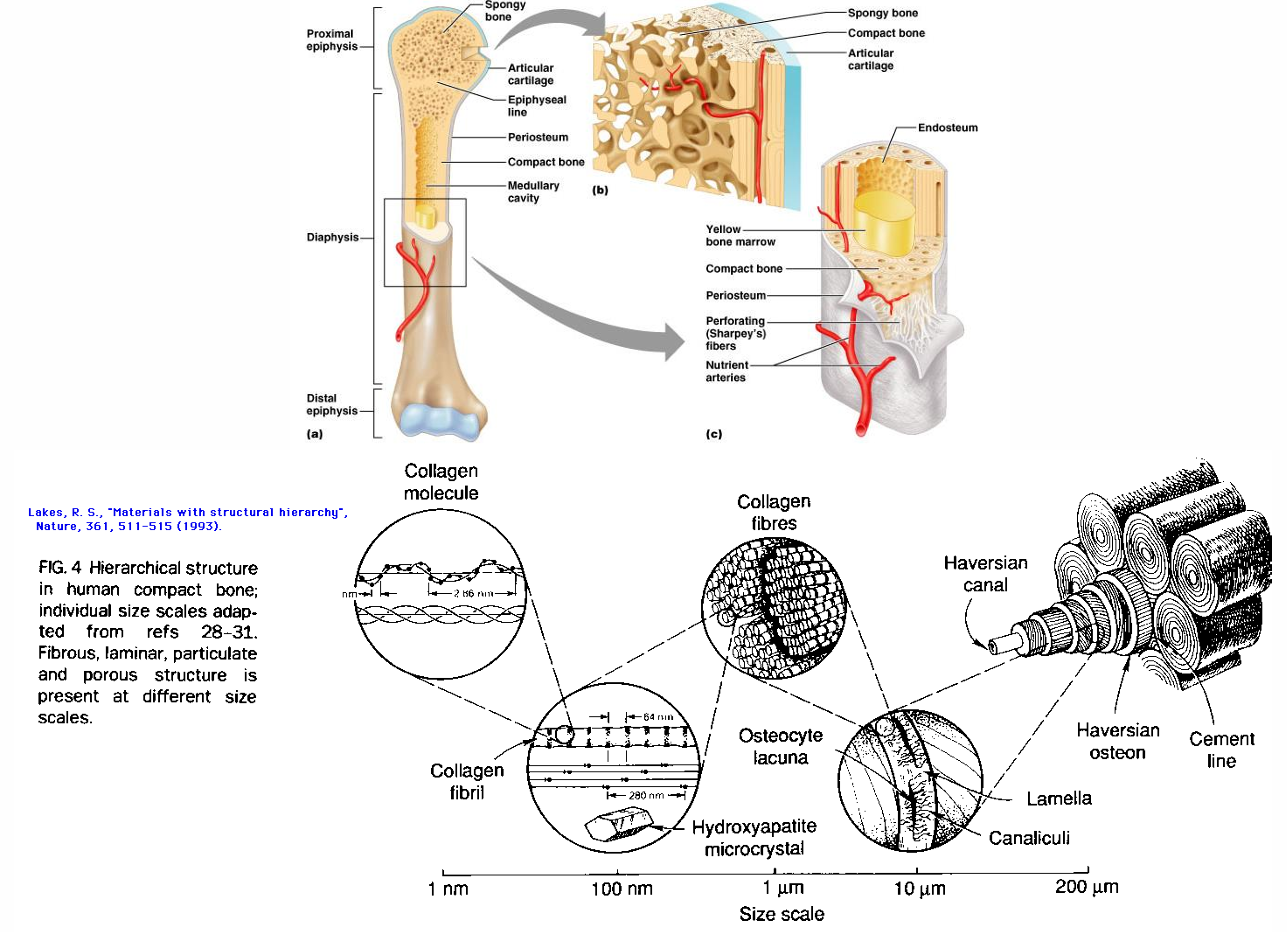
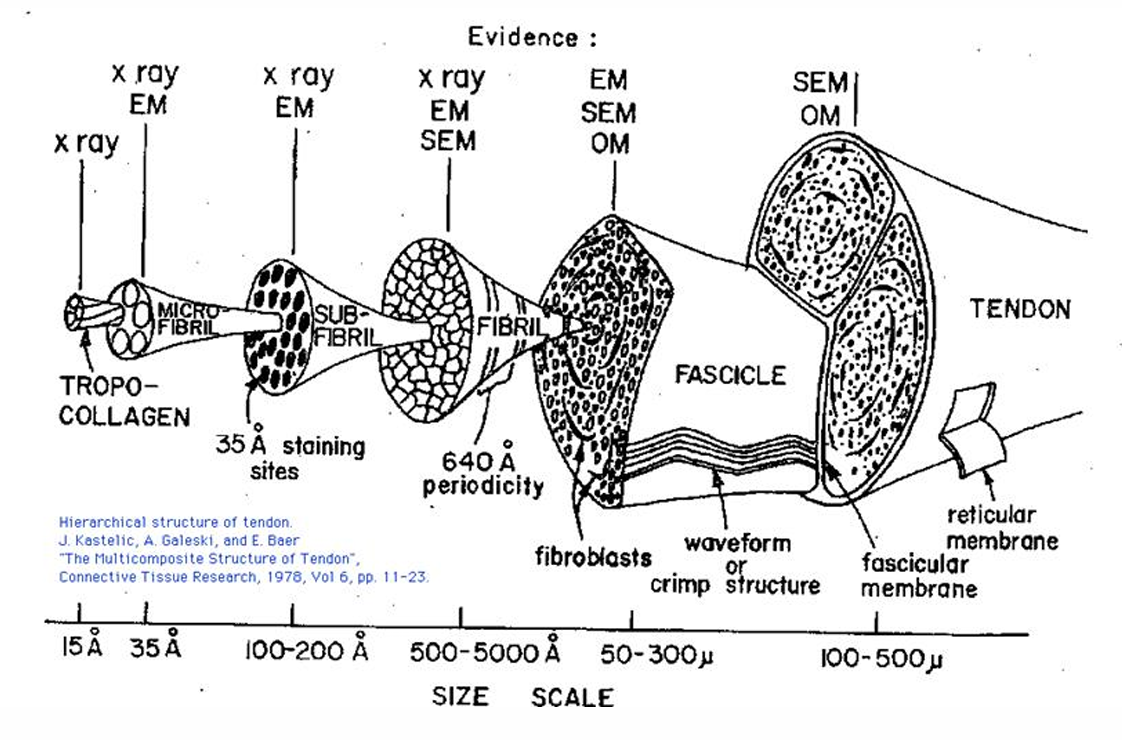
- All tissues are comprised of several levels of structural hierarchy
所有组织都由几个层次的结构层级组成 - These structural levels exist from the macroscopic level (centimeter range) all the way down the molecular level (nanometer range)
从厘米到纳米的层级都有 - There can be as many as 7-10 distinct levels of structural organization in some tissues or organs
- 例子
- Organization of the bone
- Organization of the tendon/ligament
- Organization of the bone
- All tissues are comprised of several levels of structural hierarchy
- Important lessons from the formation of organs during embryogenesis
从胚胎发生过程中的器官形成中可以学到重要的经验教训- (i) the origin of cells that contribute to the formation of a particular organ
- (ii) the growth factors and their interrelationship in the formation of an organ
- (iii) the mechanisms by which undifferentiated未分化 precursor前体 cells are induced to specialize into an organ specific cell type
- (iv) the subsequent steps in organ formation
- (v) the interaction between cells and their microenvironment consisting of both the extracellular matrix and neighboring cells
细胞与其微环境(包括细胞外基质和相邻细胞)之间的相互作用
- Key elements of Tissue engineering
- Microenvironment
- Since cells are entirely responsible for synthesizing tissue constituents and assembly of the functional subunit, much attention is paid to the microenvironment surrounding the cell(s) of interest
细胞完全负责合成组织成分和功能亚单位的组装, 我们很关注它的微环境 - microenvironment characterization
- Cellularity
细胞密度或构成状态- Packing Density
- cell densities in tissues typically
- vary between 10 ~ 500 * 10^6 cells/cm^3
- relates to about 100 ~ 500 cells per microenvironment (100 μm)^3
- extreme cases, such as cartilage软骨 which has about 1 cell per (100 μm)^3
its microenvironment essentially本质上 is 1 cell plus associated ECM
- cell densities in tissues typically
- Packing Density
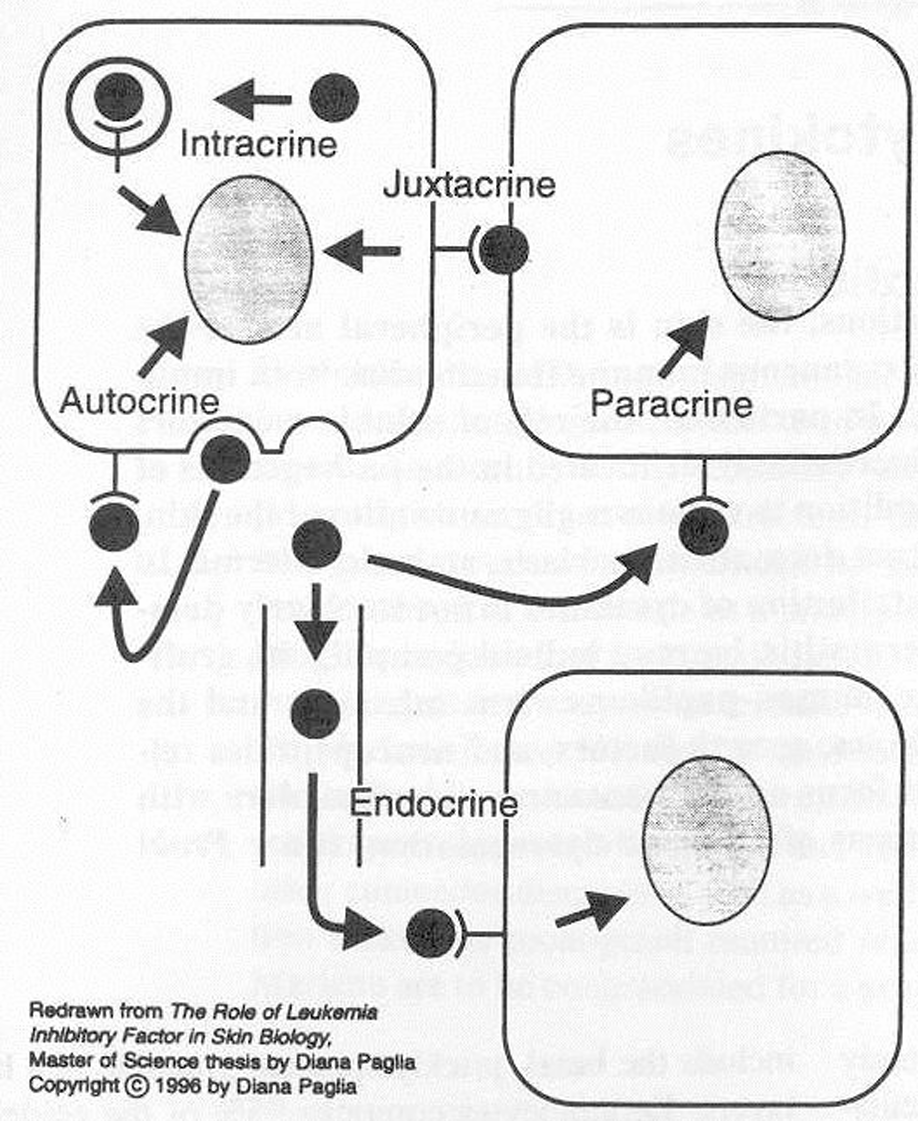
- Cellular Communications
细胞间通讯- 基础
- can affect all “cellular fate” processes (migration, replication, differentiation, apoptosis)
影响细胞的迁移, 复制, 分化, 凋亡 - the method(s) of communication used depends, in part, on how the cells are packed within the tissue
- can affect all “cellular fate” processes (migration, replication, differentiation, apoptosis)
- secretion of soluble signals
可溶性信号分泌- 特性
- bind to membrane receptors usually with high affinity (low binding constants 10-100 pM)
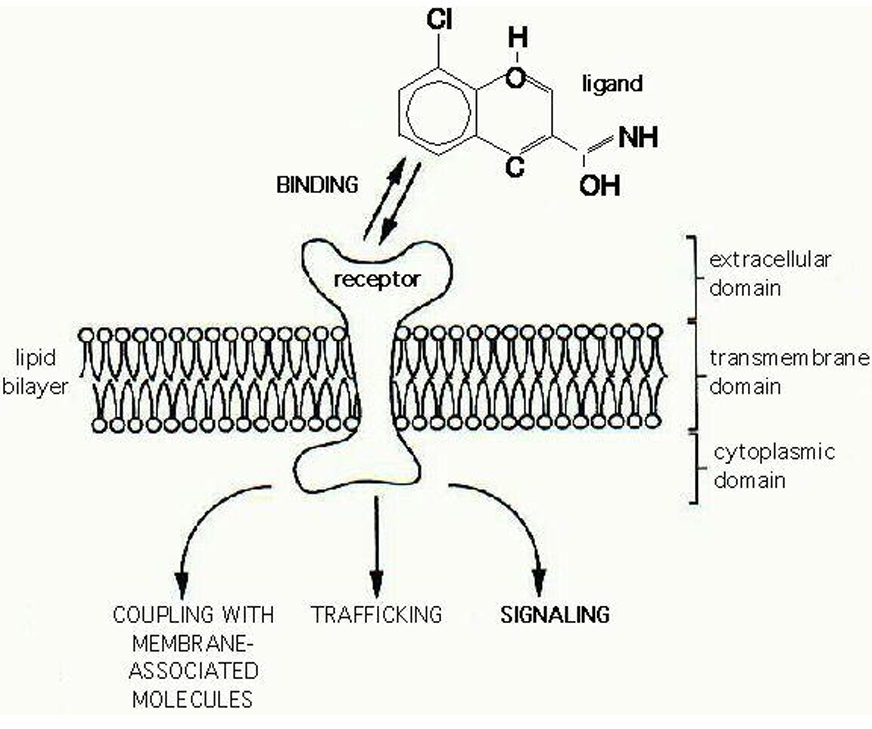
与膜受体结合,通常具有高亲和力
- 各种分泌类型
- bind to membrane receptors usually with high affinity (low binding constants 10-100 pM)
- includes small proteins
- growth factors
- Functions
- Mediate potent biological effects on all cell types
- Involved in all physiological processes
- Stimulate or inhibit
- Cell proliferation
- Differentiation
- Migration
- Adhesion
- Gene expression
- Secretion and action of other growth factors
- Different soluble factors can share the same biological effects
- 特性
- Most important biologically active group of molecules to tissue development
- Generally small to medium sized proteins (cytokine), or steroid hormone
- Most show more than one property and are able to mediate vast array of biological functions (pleiotropic 多效性)
- Currently 100+ have been discovered, 20 different families based on structural homology 结构同源性
- Many synthesized as latent潜伏 form, require proteolytic activation 蛋白水解激活
- May need to bind to ECM for activity and stabilization
- Important autocrine自分泌 and paracrine旁分泌 regulators of cell growth and function
- Functions
- cytokines (15-20 kDa) 细胞因子
- Small cell-signaling protein molecules that are secreted by cells
- include
- Interleukins 白细胞介素
- Interferons 干扰素
- Cytotoxins 细胞毒素
- Functions
- Immunoregulatory 免疫调节
- Organ/tissue development 器官/组织发育
- steroids
- hormones
- growth factors
- 特性
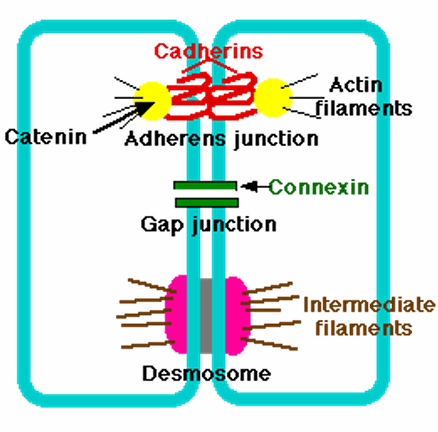
- cell-to-cell contact
细胞间接触- anchoring junctions
membrane receptors are adhesive molecules - cadherin- adherent junctions
黏着链接 - desmosomes
桥粒
- adherent junctions
- gap junctions
- create junctions between adjacent cells
- direct cytoplasmic communication
- 1.5-2 nm diameter and only allow transport of small molecules ~1 kDa
直径为 1.5-2 纳米,仅允许约 1 千道尔顿的小分子通过, 1 Da 约等于一个碳-12原子质量的 1/12
- 图
- anchoring junctions
- cell-ECM interactions
细胞-细胞外基质相互作用- ECM is multifunctional and also provides a substrate that cells can communicate through
细胞外基质具有多功能性,还能提供细胞可通过其进行通讯的基质 - since cells synthesize the ECM, they can modify the ECM to elicit specific cellular responses
由于细胞会合成细胞外基质,它们可对其进行修饰以引发特定的细胞反应 - cells possess several specialized receptors that allow for cell-ECM interactions
细胞拥有多种特异性受体,介导细胞与细胞外基质的相互作用- integrins, CD44, etc.
整合素, CD44 分子等 - mechanism by which cells respond to external stimuli (“mechanical transducers”)
细胞响应外界刺激的一种机制,即 “机械传感器” 机制
- integrins, CD44, etc.
- ECM is multifunctional and also provides a substrate that cells can communicate through
- 基础
- Local Chemical Environment
局部化学信号 - Local Geometry
局部几何结构
- Cellularity
- Since cells are entirely responsible for synthesizing tissue constituents and assembly of the functional subunit, much attention is paid to the microenvironment surrounding the cell(s) of interest
- ECM
- 定义
- polymeric networks of several types of macromolecules in combination with smaller molecules, ions and water
- composition
- proteins
- collagen
- ealstin
- glycoproteins
- Fibronectin 纤连蛋白
- Laminin 层粘连蛋白
- Thrombospondins 血小板反应蛋白
- Tenascin 肌腱蛋白
- proteoglycans 蛋白聚糖
- 少量蛋白以及大量GAGs
- proteins
- Hugely varied
- Hard tissues of bone and teeth
- Transparent matrix of the cornea
- Ropelike organization of tendons
- properties
- GAG and proteoglycan molecules form highly hydrated gel-like “ground substance” in which the fibrous proteins are embedded
- Aqueous phase permits diffusion of nutrients
- Collagen fibres strengthen and organize matrix
- Elastin fibres give resiliance
- Adhesive proteins help cells to attach to ECM
- production
- Secreted in many cases by cells as precursor molecules
- Significantly modified before assembly with other components into functional polymers
- Proteolytically processed
- Sulfated
- Oxidized
- Cross linked
- Formation is unidirectional, irreversible
- Polymers reconstituted in lab with components extracted from ECM do not have all properties as when assembled by cells
- remodeling by cells
- ECM is also modified by cells as they proliferate, differentiate, and migrate
- Cells continually interact with matrix
- ECM influences cell shape, fate and metabolism
- Understanding of ECM is therefore essential to understanding cell behaviour in context of tissue and organ development and function
- Structural components (collagen, elastin)
- Signalling molecules (matrix bound GF’s)
- Multidomain molecules
- 定义
- cell source
- Since the ultimate goal of tissue engineering is to develop replacement tissue (or organs) for individuals, the use of autologous自体 cells (patients’ own cells) would avoid any potential immunological免疫 complications并发症
- classifications of cells used in tissue engineering
- primary cells 原代细胞
- differentiated cells harvested from the patient (tissue biopsy组织活检)
- low cellular yield (can only harvest so much)
- potential age-related problems
- passaged cells 传代细胞
- serial expansion of primary cells (can increase population by 100-1000X)
- tendency to either lose potency or de-differentiate with too many passages
- stem cells
- undifferentiated cells
- self-renewal capability
- can differentiate into functional cell types
- very rare
- primary cells 原代细胞
- Stem Cells
- Stem cells naturally exist in essentially all tissues (especially those that rapidly proliferate or remodel) and are present in the circulation
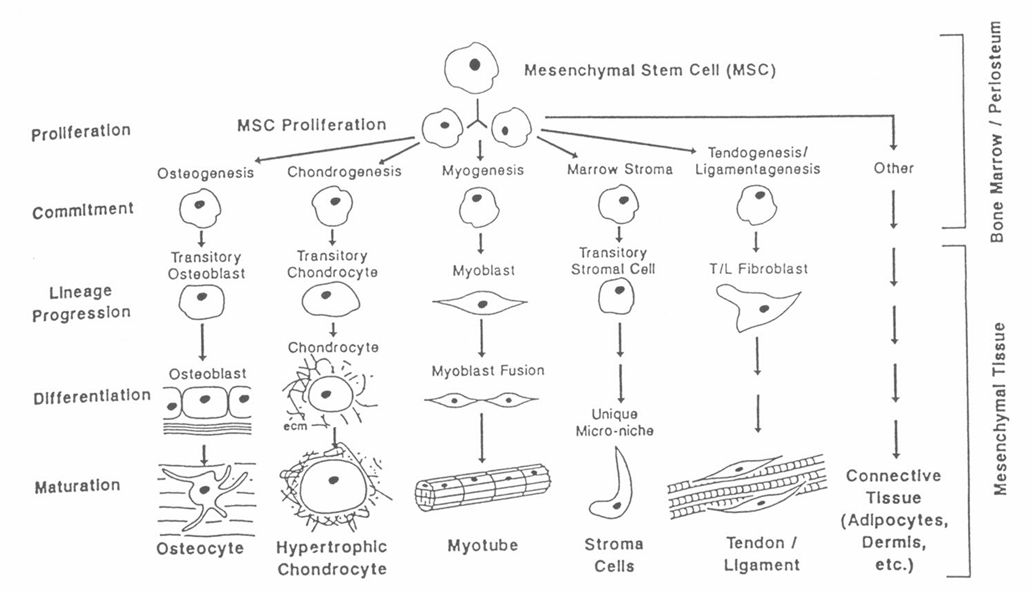
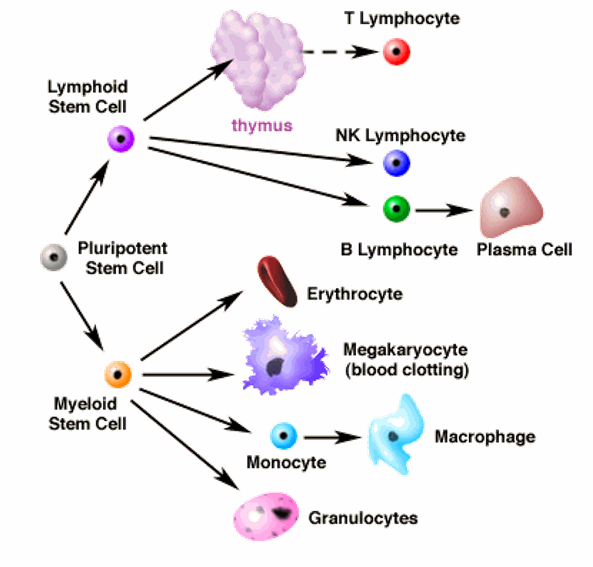
- There are two main lineages谱系 of adult stem cell
- mesenchymal 间充质干细胞
- give rise to connective tissues (bone, cartilage, etc.)
- although found in some tissues, typically isolated from bone marrow 通常从骨髓获取
- bone marrow has a single mesenchymal stem cell for every 100,0000 myeloid骨髓 cells
- 图
- hematopoietic 造血干细胞
- give rise to blood cells and lymphocytes
- isolated from bone marrow, blood (umbilical cord)
- bone marrow has a single hematopoietic stem cell for every 10,0000 myeloid骨髓 cells
- 图
- mesenchymal 间充质干细胞
- Identification
- stem cells are identified by the expression of specific antigens on their surface
- for example
- hematopoietic stem cells express CD45, CD34 and CD14
- mesenchymal stem cells do not express these markers, i.e. CD34-, CD45-, CD14-
- colony-forming assays 集落形成实验
Characterization and Commitment鉴定与定向分化- cells grown under culture conditions that promote their proliferation and differentiation
- the clonal克隆的 progeny后代 of a single progenitor cell祖细胞 stay together to form a new colony of mature cells
- function
- characterize stem cells from different sources (e.g. BM, umbilical cord blood)
- investigate responses to growth factors, cytokines and other drugs
- expansion, commitment定向分化, etc.
- quality control for collection, processing and cryopreservation冷冻保存
- Tissue Engineering Scaffolds
- Scaffold Materials
- synthetic polymers
- poly(lactide) ,poly(lactide-co-glycolide), poly(caprolactone)….
- foams泡沫, hydrogels, fibres, thin films
- natural polymers
- collagen, elastin, fibrin, chitosan, alginate….
- fibres, hydrogels
- ceramic
- calcium phosphate based for bone tissue engineering
- porous structures
- permanent versus resorbable
- degradation typically by hydrolysis (except for natural materials) 降解方式通常为水解
- must match degradation rate with tissue growth 降解速率与组织生长速率匹配
- synthetic polymers
- Chemical and Physical Modifications (synthetic materials合成材料)
- attachment of growth factors, binding sites for integrins, etc. 结合要呈递的物质
- nanoscale physical features 纳米级物理特征
- Scaffold structures
- Hydrogel
- Fibrous mesh
- Porous matrix
- Scaffold Materials
- Bioactive cues
- Soluble factors
- Growth factors
- Cytokines
- Small molecules
- Insoluble factors
- ECM molecules
- Delivery or presentation of the cues are essential
- Temporal
- Spatial
- Structural
- Conformational
- Soluble factors
- Scale Up
- 目的是批量制备, 但是会面临变大的问题
- The conditions of the in vivo microenvironment are a fine balance between biological dynamics and the physiochemical processes that constrain them.
- 体内微环境的状态,是生物动态过程与其受约束的理化过程之间的精妙平衡
- Thus, the design of cell and tissue culture devices must be such that this balance is maintained down to about 100 mm – the size of the tissue microenvironment.
- 因此,细胞和组织培养装置的设计必须保证,在约 100 毫米(组织微环境的尺寸)范围内维持这一平衡
- mass transfer (delivery and removal)
One important design challenge- The diffusional penetration lengths over physiological time scales are surprisingly short and constrain the in vivo architecture of tissues and organs.
- 在生理时间尺度内,扩散渗透距离短得惊人,这一特点限制了体内组织和器官的结构形态
- For any nutrient (O2, glucose, growth factor, etc.), two primary concerns for delivery
- provided at physiological concentrations
- provided at the same rate it is consumed
- eg.
- Oxygen
- physiological concentration - 5-30% of saturation in air, which is ~ 0.2 mM
- specific uptake rate - 0.05 – 1 mmol/106 cells/hour
- Primary Nutrients (glucose)
- physiological concentration - mM range
- specific uptake rate - 0.05 – 0.1 mmol/106 cells/hour
- Secondary Nutrients (amino acids, growth factors)
- physiological concentration - nM – mM range
- specific uptake rate - 0.01 – 1.0 nmol/106 cells/hour
- Waste Products (lactic acid, ammonia)
- physiological concentration - negligible
- specific production rate - 0.01 – 0.2 mmol/106 cells/hour
- Oxygen
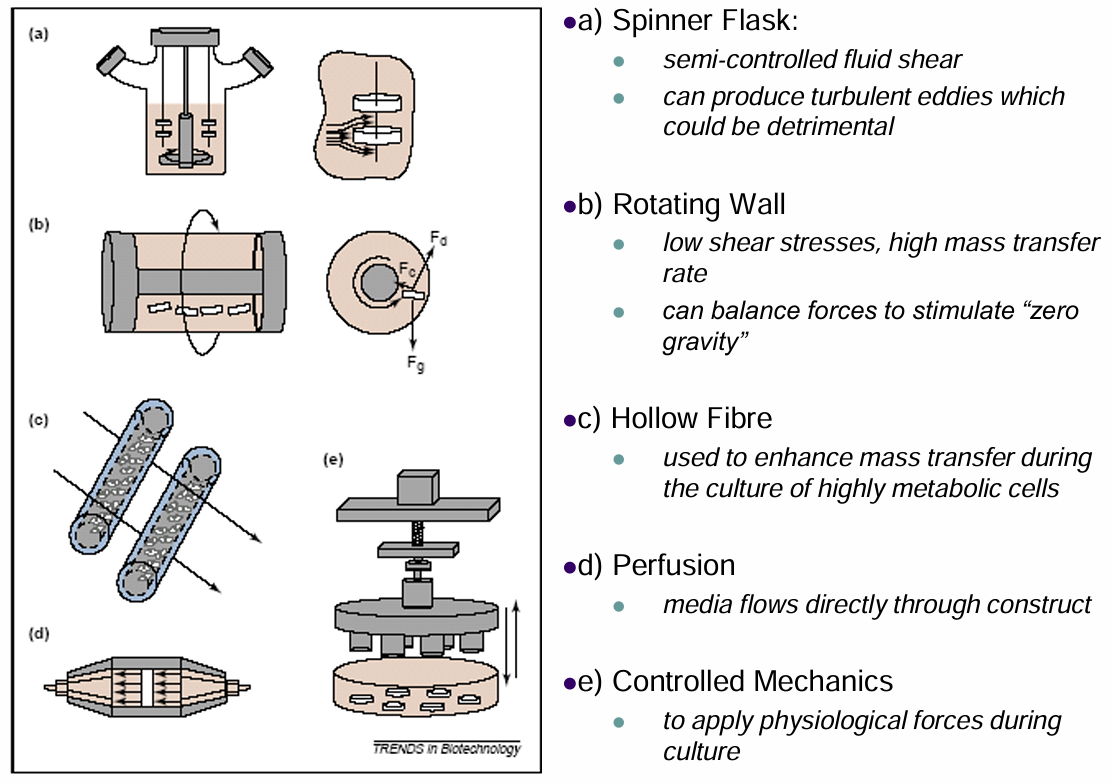
- Bioreactors
- 图
- 图
All articles in this blog are licensed under CC BY-NC-SA 4.0 unless stating additionally.