细胞生物学_Transcription
单词
principle of Transcription
Genes can be expressed with different efficiencies.
A cell can regulate the expression genes according to its needs —— most commonly by controlling the production of its RNA.
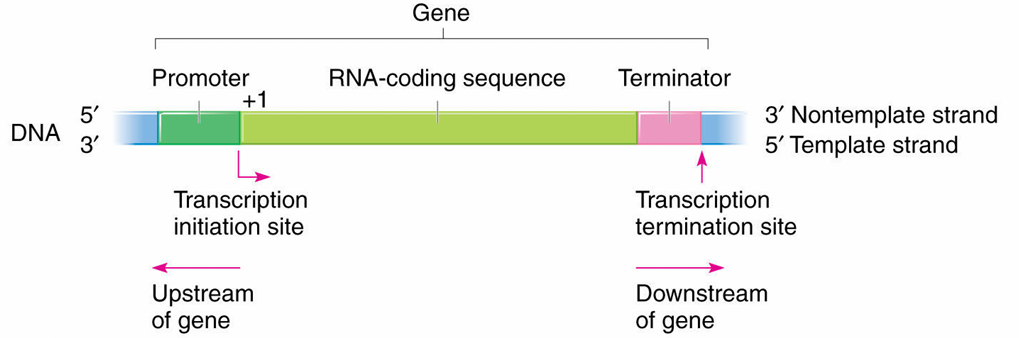
The RNA chain produced by transcription—The transcript(转录本).
和RNA转录本碱基互补的是template/antisense strand(模板链/反义链)
和RNA转录本相同的是non-template strand/sense strand(非模板链/有义链)
Initiation
总览
RNA polymerase, together with one or more transcription factors(TFs), binds to promoter DNA
RNA聚合酶以及转录因子与DNA的启动子结合
Promoter: contain specific DNA sequences that provide a initial binding site for RNA polymerase and for TFs.
TF: is a protein that controls the rate of transcription, bind to the promoter, by promoting (the activation of gene expression), or blocking (the repression of gene expression) the recruitment of RNA polymerase.
转录因子通过招募/阻断招募RNA聚合酶来控制转录速率
E.coil的转录起始//其他都是真核细胞
promoter
InE.coli , the promoter contains two short sequences about 10 and 35 nts upstream from the transcription start site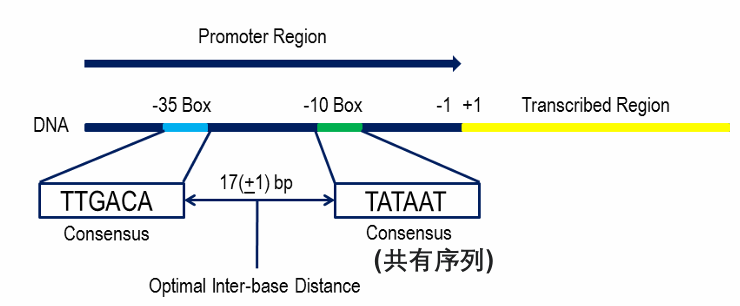
RNA polymerase(RNA Pol)
Core enzyme: α2 β′ β ω
σ factor
Sigma factor (σ factor) is a bacterial transcription initiation factor that enables specific binding of RNA Pol core to promoters, allowing transcription to initiate at correct sites
RNA polymerase
真核细胞有三种RNA聚合酶,转录不同种类的基因,对应不同的启动子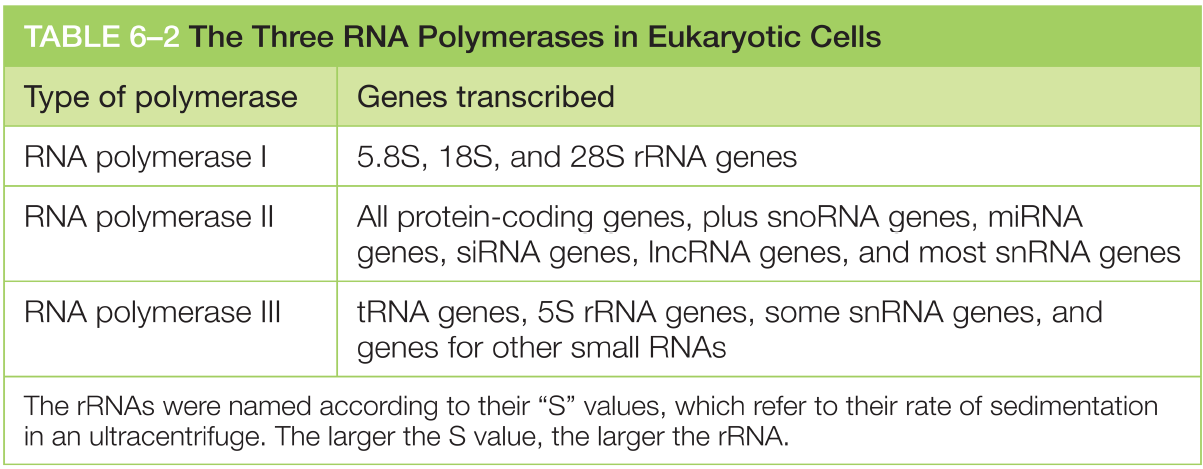
注意到 RNA Pol Ⅱ 是最重要的
promoter
TATA box
是启动子的关键
序列为
5’-TATA(A/T)A(A/T)-3’
5’-TATAWAW-3’
通常在25-35 bp upstream the transcription start site
启动子美图↓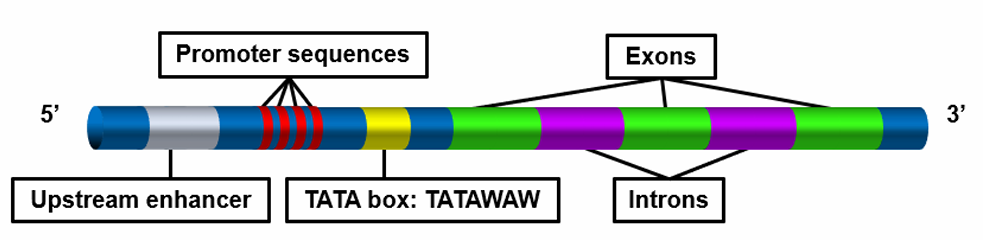
General transcription factors (GTFs)
细菌只用一种 α factor
Eukaryotic RNA pol II require many such factors, collectively called the general transcription factors
GTFs include : TFIIA, TFIIB, TFIIC, TFIID, etc
TFIID 有一个亚基叫 TATA binding protein (TBP)
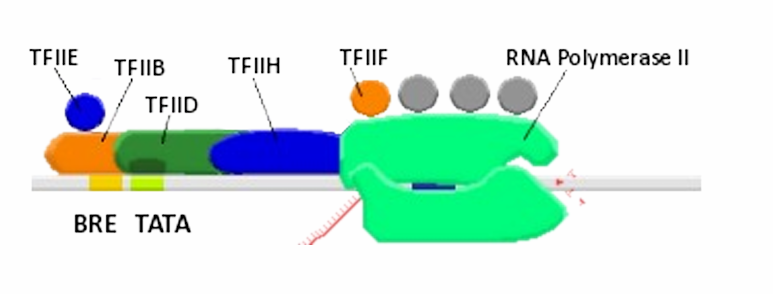
过程
刚开始是TBP bind to TATA box,creating a sharp bend in the promoter DNA.
TBP 把DNA启动子大力掰弯↓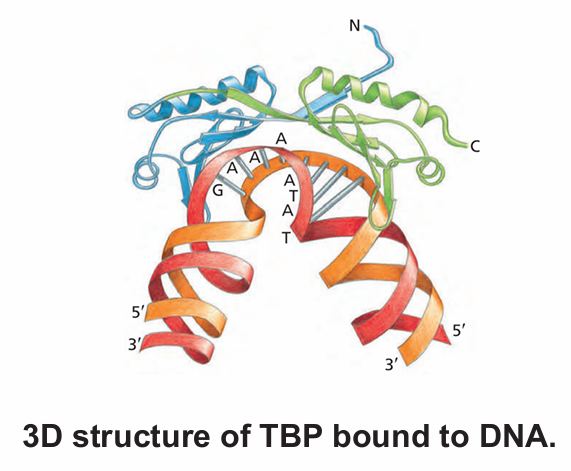
然后Other GTFs and RNA Pol II assemble to form a transcription initiation complex (转录起始复合体).
再然后TFIIH phosphorylates a long C-terminal polypeptide tail, also called the C-terminal domain (CTD), that extends from the pol II, changing its conformation so that the pol II is released from GTFs and can begin the elongation phase of transcription.
说中文是TFIIH磷酸化RNA聚合酶的C端,改变其形状,释放出RNA聚合酶,开始转录
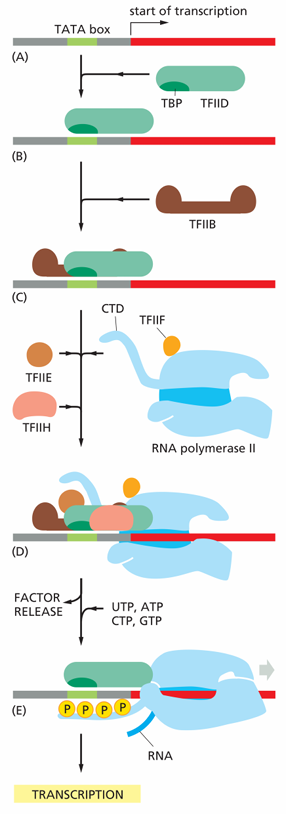
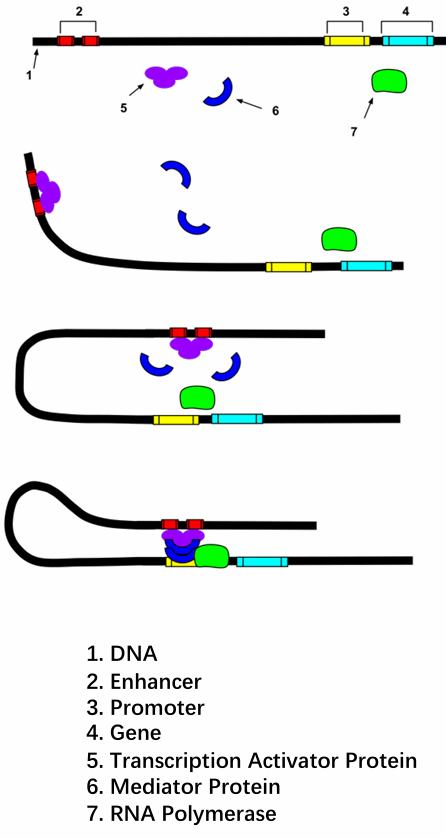
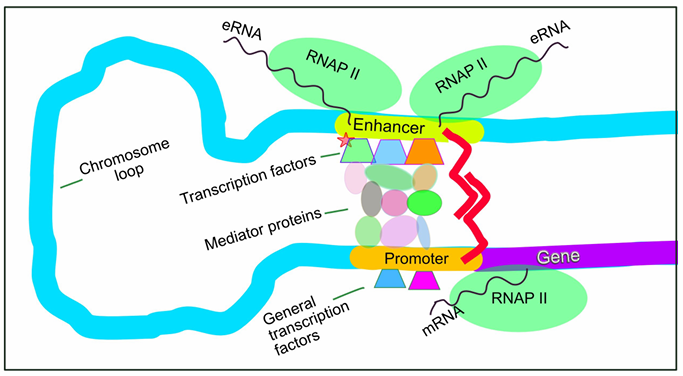
activator,enhancers & mediator
activator 是一种特定的转录因子
enhancers 是增强子,一种DNA片段
mediator 是一种蛋白质
activator promote gene expression by binding to enhancers
The binding causes the DNA to bend, bringing them near a gene promoter
mediator allow the activator proteins to communicate properly with the poly II and GTFs
RNA processing
总览
加工主要两条
The covalent modification of the ends of the RNA: 5’ Capping and 3’ Polyadenylation
The removal of intron sequences by RNA
splicing
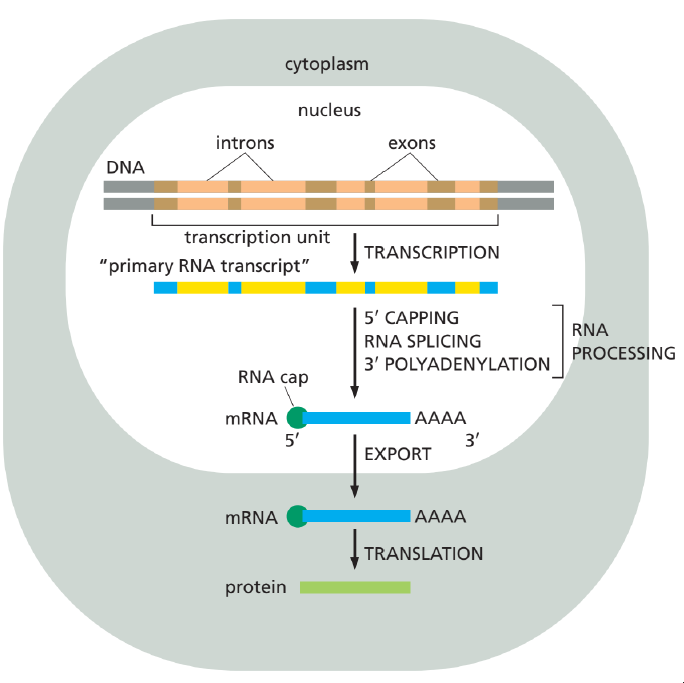
The 5ʹ-methyl cap and 3’-Poly A tail distinguish mRNAs from the other types of RNA
5’ End Capping
capping protein first bind to the RNA Pol II C-terminal tail when it is phosphorylated on CTD
盖帽蛋白先结合到RNA聚合酶的CTD(忘了就看看转录那)
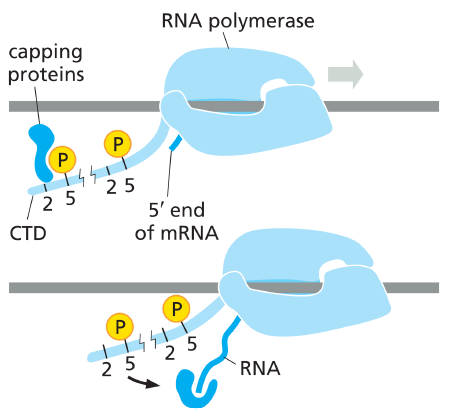
capping protein有三个酶,按照顺序催化给RNA加帽
a phosphatase磷酸酶
a mRNA guanylyltransferase 信使RNA鸟苷酰基转移
酶
a methyl transferase甲基转移酶
过程
mRNA guanylyltransferase uses GTP as a GMP donor, added to the 5 ‘end, and then guanine residues are methylated to 7-methylguanosine (m7G) by methyltransferase,that’s how capped.
看下面那个图就知道,先加个磷酸,然后加个GMP,然后给GMP加个甲基,就盖帽完事了
加帽完是这样↓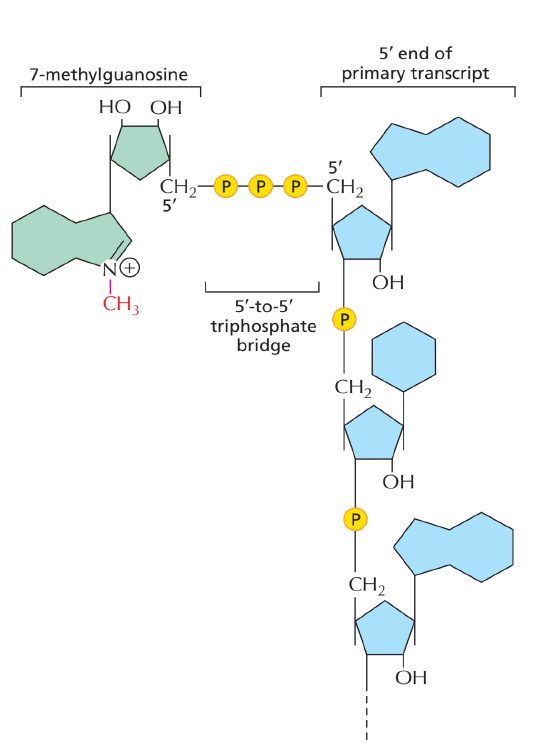
3’ End Polyadenylation 3’端聚腺苷酸化
mRNA need to undergo cleavage of the 3’ end non-coding sequence, plus a string of A residue tail (i.e. polyA tail)
先切掉3’的非编码序列,然后加一串A
The 3’end polyadenylation site contains the consensus sequence “AAUAAA” (polyadenylation signal), followed by CA about 10-30n not after(the cleavage site) and a GU-rich sequence downstream
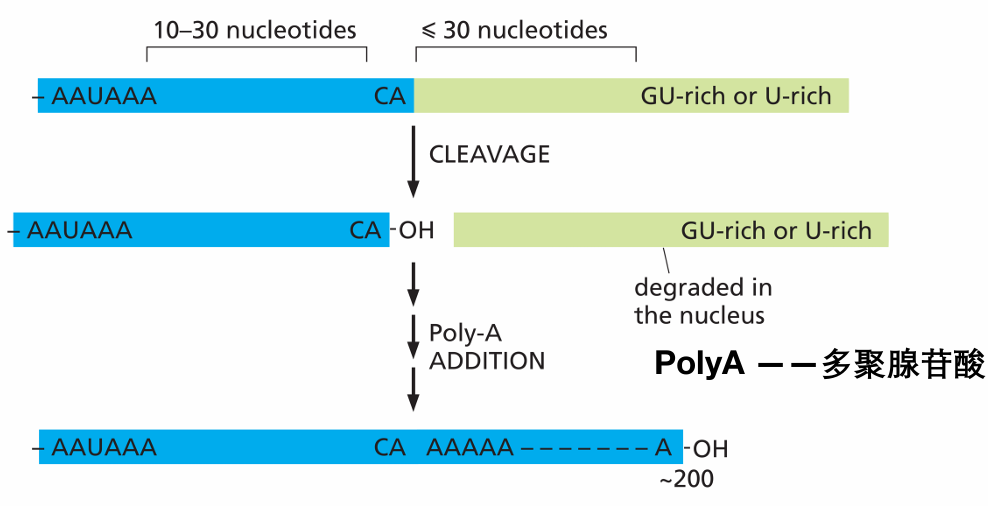
过程
CstF (cleavage stimulation factor) 裂解刺激因子
CPSF (cleavage and polyadenylation specificity factors)
CstF and CPSF travel with the RNA Pol. tail and recognize the 3’ end polyadenylation signal. The mRNA is cleaved from the Pol II by Poly-A polymerase
Poly-A polymerase adds, one at a time, approximately 200 Adenines to the 3ʹ end.
Poly-A-binding proteins (PAPs) assemble onto the poly-A tail and determine the final length of the tail.
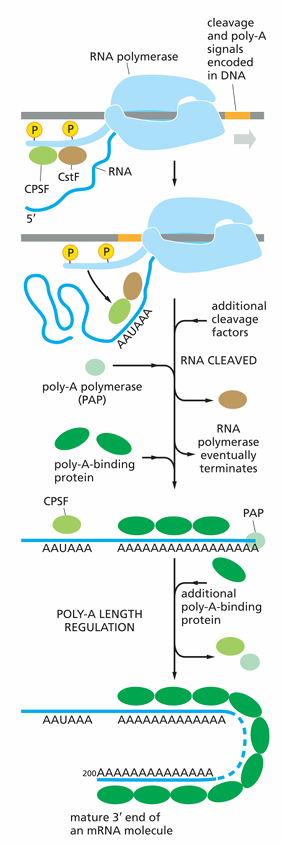
RNA splicing
真核细胞一个基因转录出来的东西有多种剪切方式,allowing the same gene to produce a corresponding set of different proteins
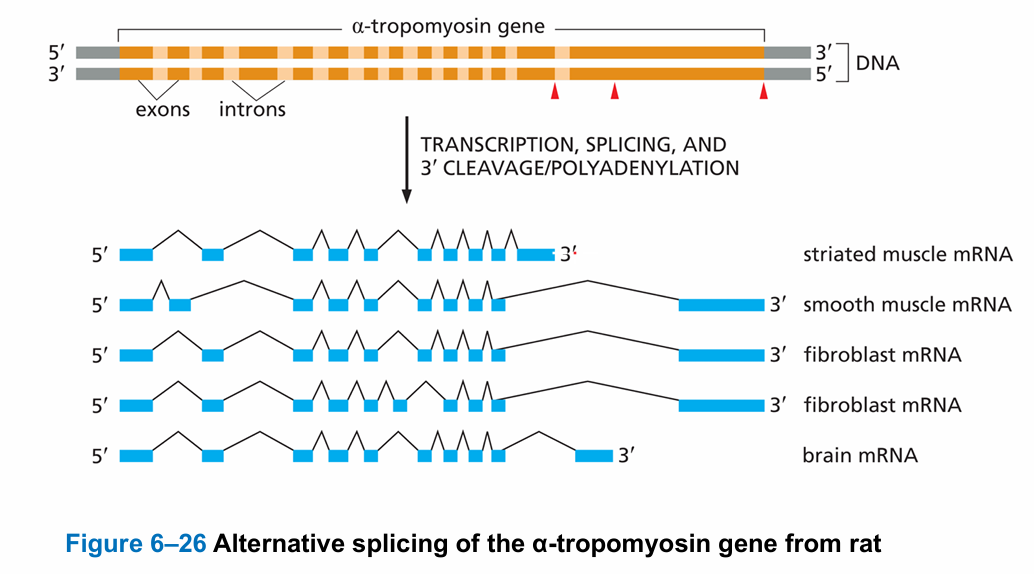
内含子&外显子
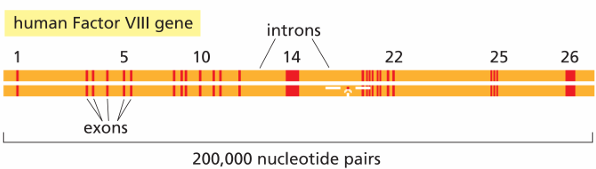
RNA Splicing Removes Intron Sequences from Pre-mRNAs
The coding region of a eukaryotic gene is often only a small fraction of the length of the gene, the rest is the non-coding region
expressed sequences 表达序列 or exons 外显子
intervening sequences 插入序列 or introns 内含子
外显子和内含子都转录成RNA然后被RNA splicing切除
spliceosome 剪切体
RNA splicing is performed by the spliceosome
The spliceosome is a complex of small nuclear
ribonucleoproteins (snRNPs)
U1, U2, U4, U5, and U6 snRNAs (small nuclear RNAs), each is complexed with at least seven protein subunits to form an snRNP(small nuclear ribonucleoprotein).
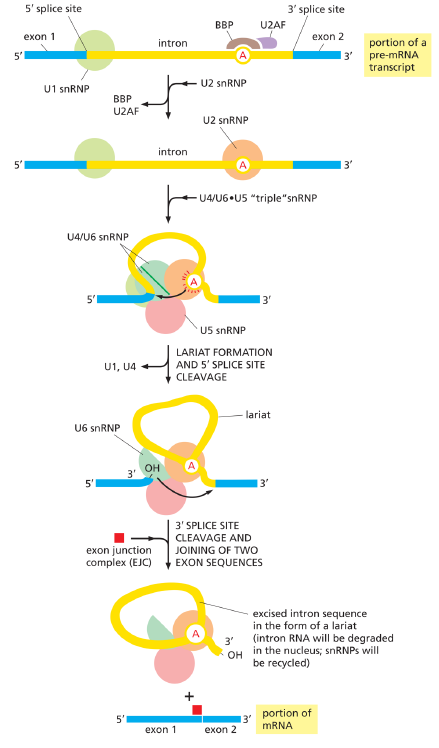
Each splicing event removes one intron, which join two exons together while removing the intron between them as a “lariat”套索
Termination
terminators终止子
These sequences usually contain their own
complementary regions, which can lead to the formation of stem loop or hairpin structures发夹结构
This structure causes the polymerase and transcription to stop.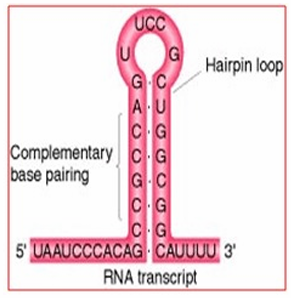
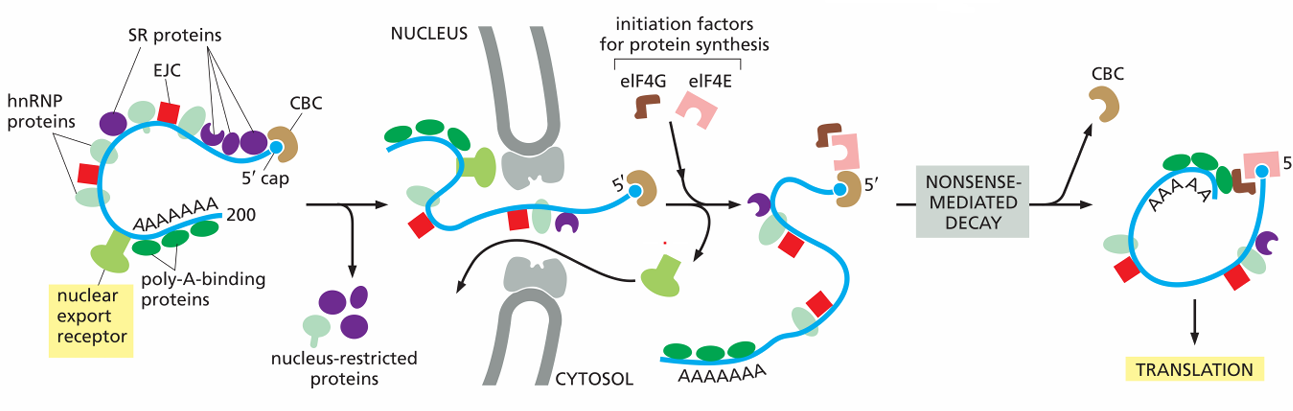
export
Successfully processed mRNAs are guided through the nuclear pore complexes (NPCs)核孔复合体
Improperly processed mRNAs and other RNA debris are degraded in the nucleus.